.png)
Title and production research is mostly logistics. You know what you need, who owns the override on a tract, how a set of wells has produced, where the rigs are working. Getting to the answer is the slow part: log into a county portal, run the grantor index, order images, key fractions into a runsheet, reconcile it in a spreadsheet. The thinking is a thin slice of the day. The retrieval is the rest.
The Energy Domain MCP collapses the retrieval. You ask a question the way you'd ask a landman across the desk. It runs the query against our database, pulls the records, and hands back the result. Here is what that looks like on a chain of title, and the kind of thing it catches.
How it works
The MCP sits between your desktop AI app and Energy Domain's structured data. You type a question. It works out what you're asking, calls the right source, and returns the answer as tables, records, and files. No query syntax, no export-and-reimport.
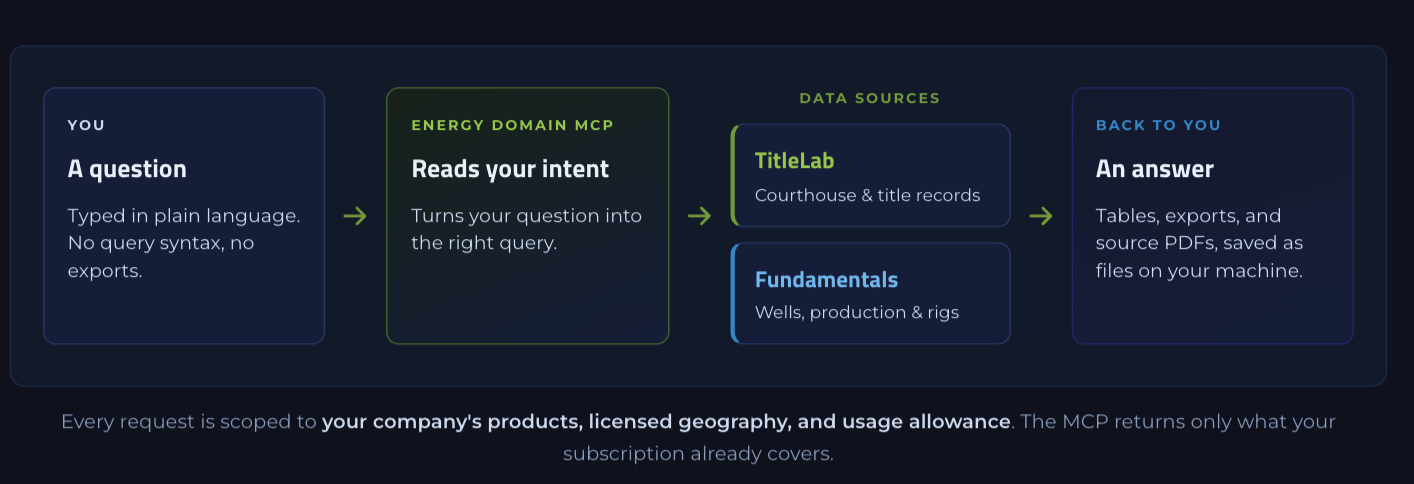
What it can reach
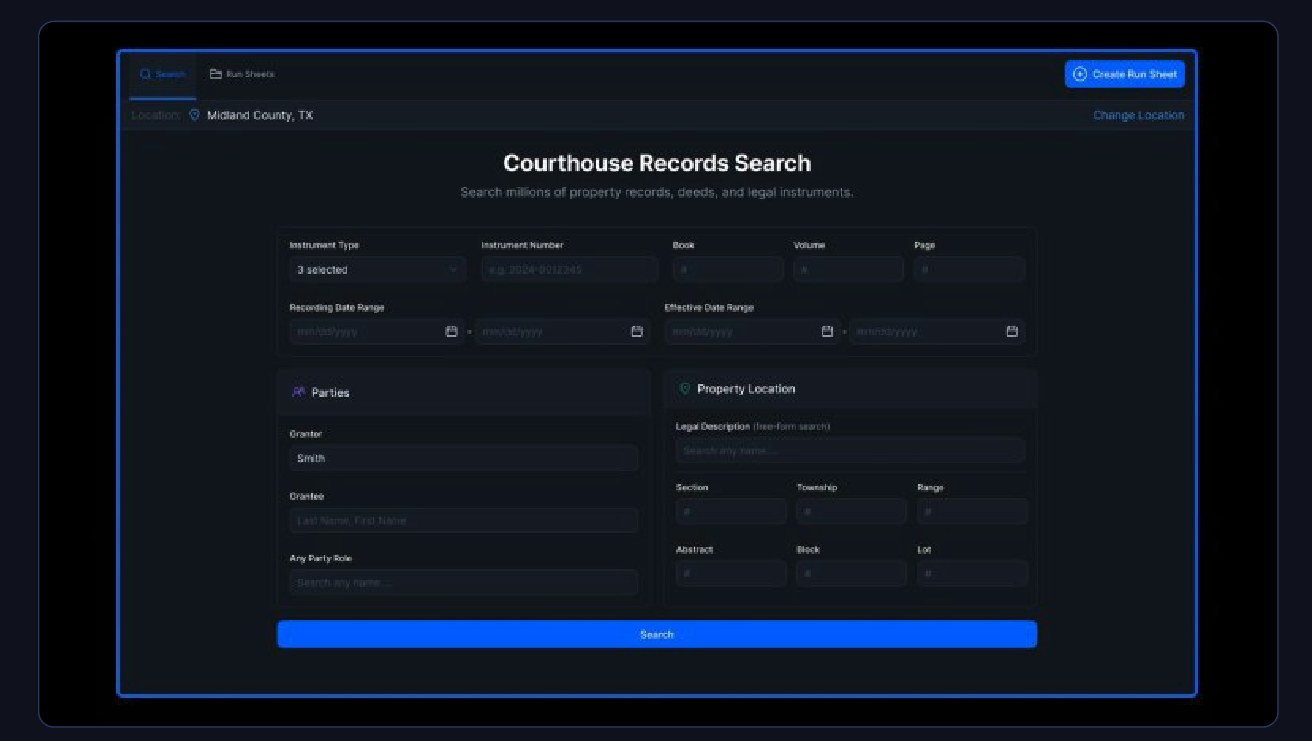
TitleLab: courthouse and title records
Search recorded instruments by state and county. Open any instrument for its parties, legal description, prior references, conveyed interests, and linked wells. Download the source PDFs, one document or a whole batch. It is title research without the tab-switching.
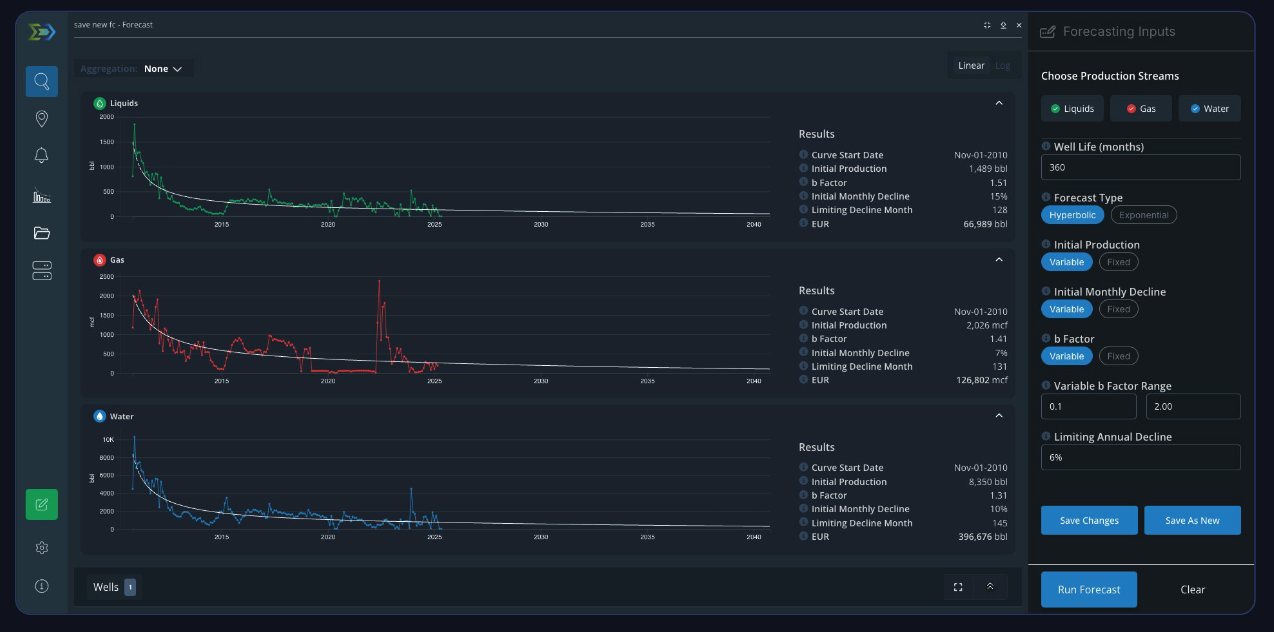
Fundamentals: wells, production, and rigs
Search wells by geography, operator, formation, or basin. Pull a well by API number for its full record. Get production history for oil, gas, and water. Find active rigs and where they are working.
A worked example: the title catch
We gave it a job any landman would recognize. Evaluate an overriding royalty before closing: confirm the net royalty acres and confirm the chain of title actually supports them.
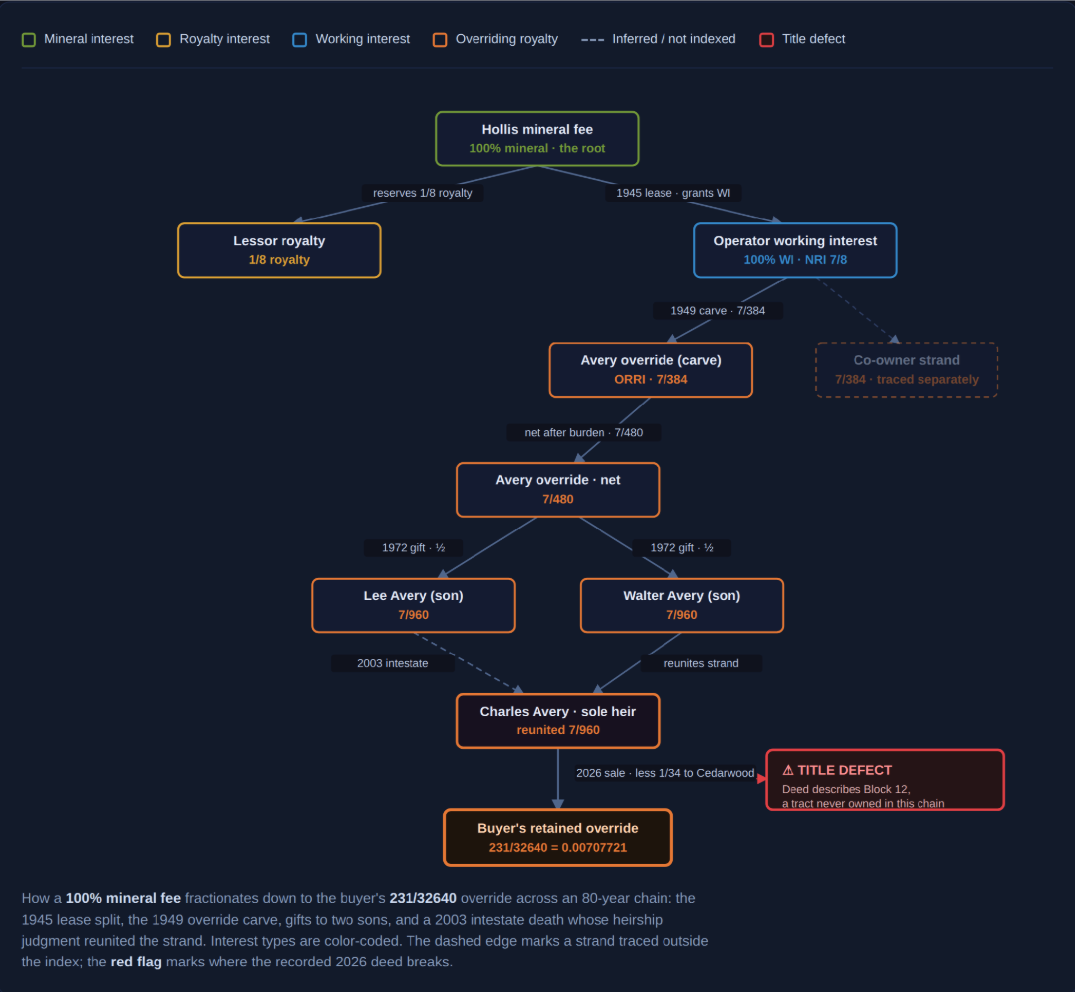
It walked the whole thing. A 1945 lease reserved a royalty and granted the working interest. In 1949 an override was carved out of the leasehold, and its holder gifted it to his two sons in the 1970s. In 2003 one son died intestate, and the heirship judgment reunited the strand in the other's hands. A 2026 sale moved it again, less an undivided interest sold on. It priced the override to an exact 231/32640 and reconciled that number five independent ways.
Then it flagged the thing the math couldn't fix.
The math was clean. The paper wasn't. The recorded 2026 deed describes the tract as Block 12, a section the family never owned, instead of Block 11, where the override actually sits. As recorded, the deed arguably conveys nothing, and the interest the buyer thought they were acquiring stays with the grantor. The fix is a correction instrument while the grantor is still around to sign, which is the difference between catching it now and a quiet-title suit later.
Why you can trust the number
The catch carries weight because everything around it reconciles. The fraction is carried exactly, not rounded to a decimal that drifts across eighty years of splits. Five independent checks agree. And the work states its own limits, the three assumptions it rests on and the one strand it couldn't fully index, so a reviewer knows exactly what to check. You can audit every step of it.
The thing most likely to cost you money, a wrong-block recital buried on page nine of a runsheet, is the first thing you see.
Why it belongs on the desktop
One request here can pull a county's full title index, or production across hundreds of wells. That is a large amount of data, and where it lands matters. Run the MCP in a desktop AI app and the results, plus the tables, exports, and reports you build from them, are written to your machine as real files instead of text stranded in a chat window.
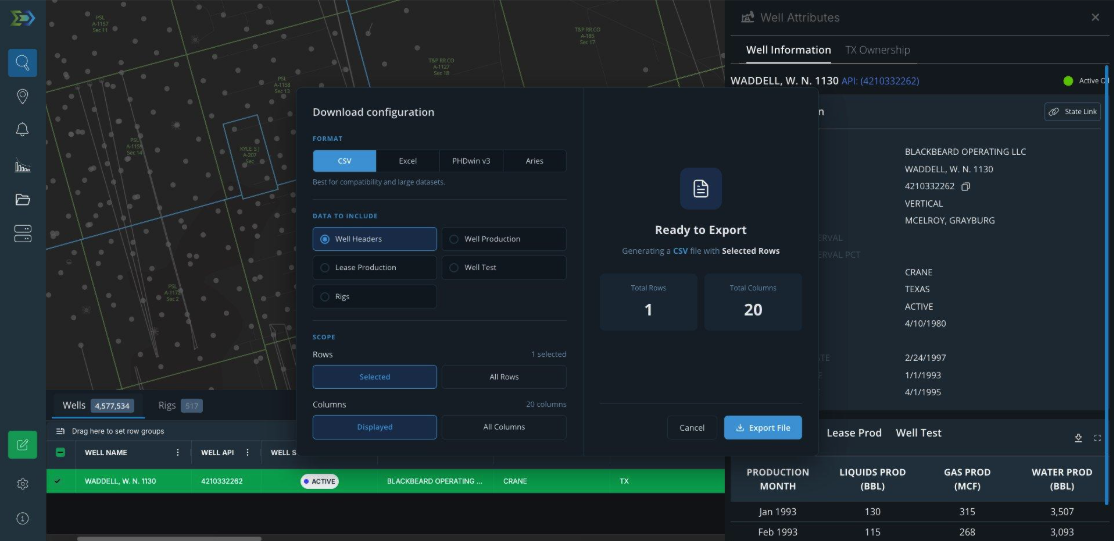
Desktop sessions also hold up on large pulls, where a hosted web session can time out and take your results with it. Web is fine for a quick question. For real work, desktop is the fit: pull the records, build the work product, keep the file.
- Claude Cowork (recommended): home base for business users.
- Claude Code: for technical teams.
Setup is one-time: install the desktop app, add the Energy Domain connector, sign in.
It stays inside your subscription
Nothing new is exposed. The MCP reads Energy Domain through the same access your account already has, honoring your product, geographic, and usage entitlements on every call, and reporting clearly when something you ask for sits outside your current coverage.
Ask the question. Keep the file.
Speed is the easy part. The point is that the record that would have cost you money is the one that surfaces first.
